How to Build a Smart Home on a Budget (Best Affordable Devices That Actually Work)
Building a smart home doesn’t have to be expensive or complicated. With the right strategy, you can automate lighting, security, climate control, and entertainment without overspending. This guide walks you…
Building a smart home doesn’t have to be expensive or complicated. With the right strategy, you can automate lighting, security, climate control, and entertainment without overspending. This guide walks you through how to build a smart home on a budget, step by step, using affordable devices that deliver real value.
Why Build a Smart Home?
A budget smart home can:
Improve convenience and comfort
Increase home security
Reduce energy bills
Add value to your home
Step 1: Start With a Smart Home Plan
Before buying any device, define your goals. Ask yourself:
Do I want better security?
Am I trying to save energy?
Do I want hands-free control with voice assistants?
Starting small helps avoid unnecessary spending and keeps your DIY smart home setup manageable.
Budget Tip: Focus on one room or one use case at a time.
Step 2: Choose an Affordable Smart Home Ecosystem
Your smart home ecosystem is the foundation. Choosing one platform prevents compatibility issues.
Best Budget-Friendly Smart Home Platforms
Amazon Alexa – Wide device compatibility and affordable pricing
Google Home – Excellent voice recognition and smart routines
Apple HomeKit – More secure, but usually more expensive
For most people building a cheap smart home, Alexa or Google Home offer the best value.
Smart lighting is one of the easiest and cheapest ways to begin.
Why Smart Bulbs Are Budget-Friendly
No electrician required
Dimming and colour control
Works with Alexa and Google Assistant
Best places to use them:
Living room
Bedroom
Desk lamps
💡 Money-saving tip: Use smart bulbs only where you need dimming or coluor. For other rooms, smart plugs are cheaper.
Step 4: Use Smart Plugs Instead of Replacing Appliances
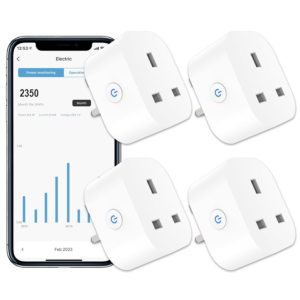
Smart plugs instantly make ordinary devices “smart.” They are ideal for:
Coffee makers
Fans
Heaters
Holiday lights
This is one of the most cost-effective smart home upgrades, often costing far less than replacing appliances.
Step 5: Affordable Smart Home Security
Smart Security on a Budget
You don’t need a full alarm system to improve home security.
Affordable Smart Home Security Options
Video doorbells
Indoor and outdoor smart cameras
Smart locks with keypad access
Step 6: Save Money With Smart Thermostats
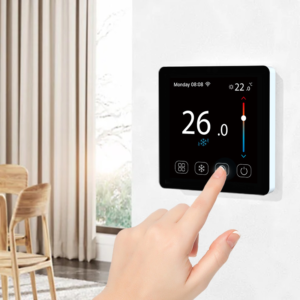
Smart thermostats help reduce heating and cooling costs by learning your schedule.
Even entry-level models can:
Optimize temperature automatically
Be controlled remotely
Lower energy bills over time
This makes them one of the best energy-saving smart home devices.
Step 7: Automate With Free Routines and Scenes
Automation is where smart homes truly shine—and it’s often free.
Examples:
Turn off all lights when leaving home
Turn on lights at sunset
Adjust thermostat at bedtime
Using routines maximizes value without adding hardware, making your smart home setup affordable.
Step 8: Buy Smart Home Devices Strategically
How to Save Money on Smart Home Gear
Buy during sales (Black Friday, Prime Day)
Consider refurbished devices
Avoid first-generation products
Building a budget smart home system over time is better than buying everything at once.
Sample Budget Breakdown
Smart speaker: £30–£50
Smart bulbs (2–4): £20–£40
Smart plugs (2-pack): £15–£25
Smart camera: £30–£60
You can start a functional smart home for under £150.
Common Mistakes to Avoid
Mixing incompatible ecosystems
Buying gimmicks instead of essentials
Ignoring security and privacy settings
Staying focused helps keep your low-cost smart home efficient and secure.
Final Thoughts: Smart Homes Don’t Have to Be Expensive
Learning how to build a smart home on a budget is about planning, patience, and prioritization. By starting small, choosing the right ecosystem, and focusing on automation over gadgets, you can create a powerful smart home without overspending.
A smart home isn’t about how much you spend—it’s about how intelligently you build it.