10 Smart Home Hacks That Actually Make Life Easier
Smart homes promise convenience, efficiency, and a touch of futuristic cool—but in reality, many setups end up underused or overly complicated. The key isn’t owning more smart devices; it’s using…
Smart homes promise convenience, efficiency, and a touch of futuristic cool—but in reality, many setups end up underused or overly complicated. The key isn’t owning more smart devices; it’s using the right ones in smart ways.
Below are 10 practical smart home hacks that genuinely reduce friction, save time, and make everyday life easier—no tech obsession required.
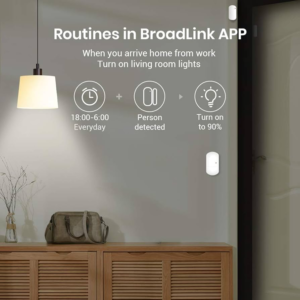
1. Create “Good Morning” and “Good Night” Routines
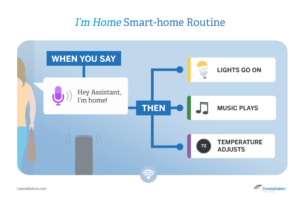
Instead of controlling devices one by one, use routines that trigger multiple actions at once.
How it helps:
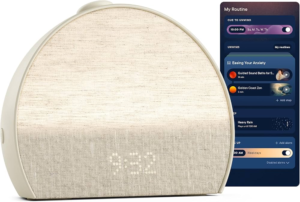
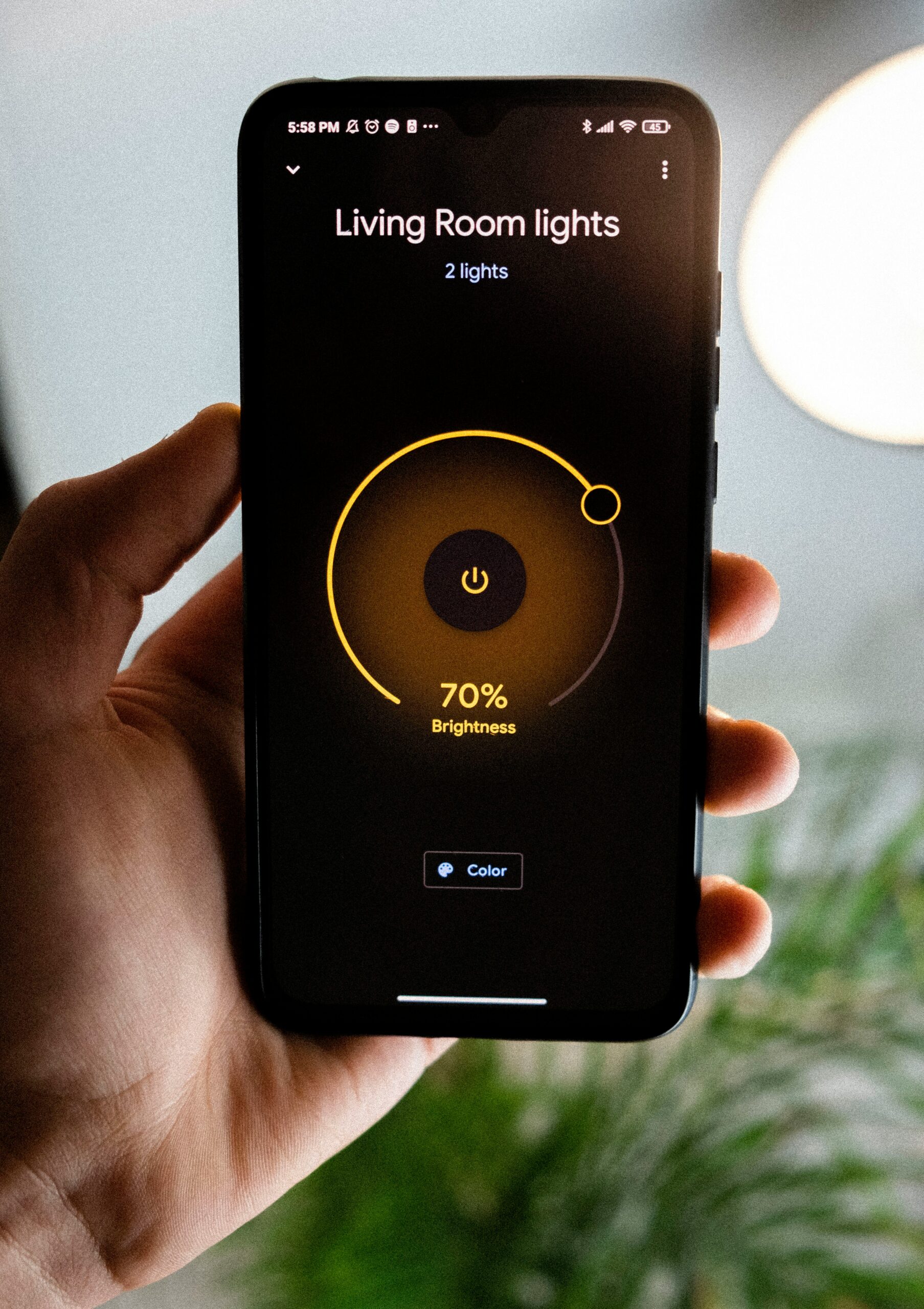
Gradually brightens lights to wake you naturally
Adjusts thermostat for comfort
Reads the weather or calendar aloud
Turns off all lights and locks doors at night
Pro tip: Use voice assistants like Amazon Alexa or Google Assistant to activate routines with a single command.
2. Automate Lights Based on Motion (Not Switches)
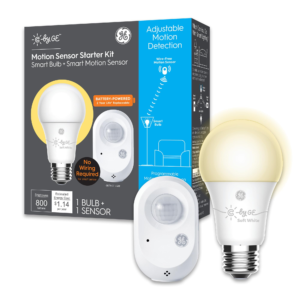
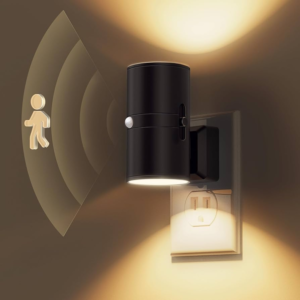
Motion-based lighting is one of the most underrated smart home upgrades.
Best places to use it:
Hallways
Bathrooms (especially at night)
Closets and laundry rooms
Lights turn on when you enter and off when you leave—no switches, no reminders, no wasted energy.
3. Use Smart Plugs to “Upgrade” Dumb Devices
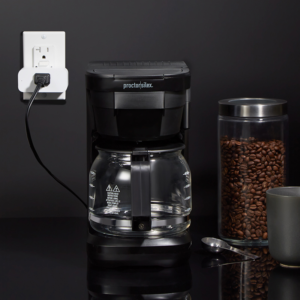
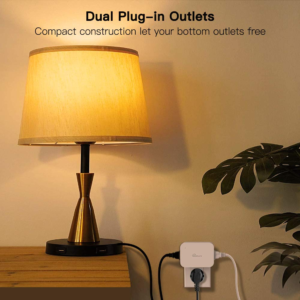
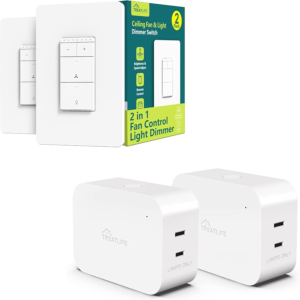
You don’t need to replace everything with smart versions. A simple smart plug can transform everyday devices.
Great use cases:
Coffee makers that start brewing before you wake up
Lamps that turn on automatically at sunset
Fans or heaters that shut off on a schedule
This hack is budget-friendly and instantly useful.
4. Set Geofencing for Automatic Arrivals and Departures
Geofencing uses your phone’s location to trigger actions when you leave or arrive home.
Examples:
Lights turn on when you’re close to home
Thermostat adjusts when you leave
Doors auto-lock if you forget
It removes the mental load of remembering to do things.
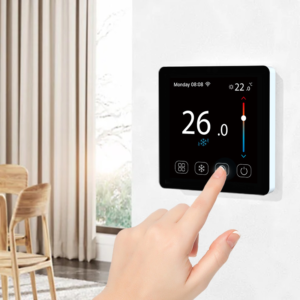
5. Automate Climate, Not Just Temperature
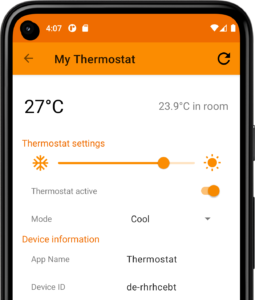
Smart thermostats shine when paired with routines and sensors.
Advanced but useful tweaks:
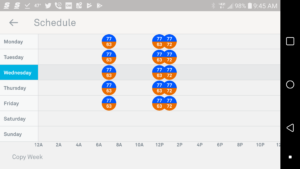
Adjust temperature based on time of day
Use room sensors to prioritize occupied rooms
Lower heating or cooling when no one’s home
This keeps your home comfortable while cutting energy costs.
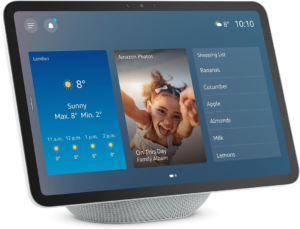
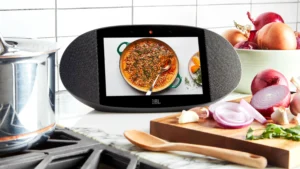
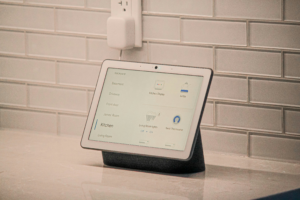
6. Use Smart Speakers as Household Assistants
Smart speakers aren’t just for music—they’re productivity tools.
Everyday uses:
Timers while cooking
Shopping lists you can add to verbally
Reminders for trash day, medication, or meetings
Placed strategically (kitchen, bedroom, entryway), they reduce friction throughout the day.
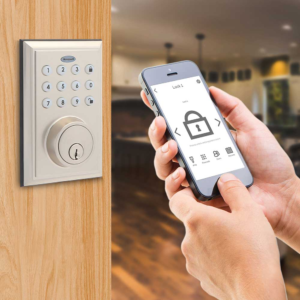
7. Automate Security Without Constant Notifications
Smart security should bring peace of mind—not notification fatigue.
Smarter approach:
Arm security automatically when you leave
Lock doors at a set time every night
Only receive alerts when no one is home
This keeps you protected without overwhelming your phone.
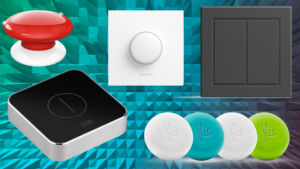
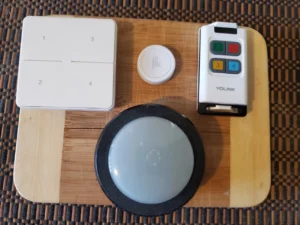
8. Use Smart Buttons for One-Tap Actions
Smart buttons are physical shortcuts for digital actions.
One button can:
Turn off all lights
Start a movie night scene
Trigger a bedtime routine
They’re especially helpful for guests, kids, or anyone who prefers tactile controls.
9. Sync Lighting With Sunset and Sunrise
Instead of fixed schedules, sync lighting with the sun.
Benefits:
Lights turn on earlier in winter, later in summer
Warmer tones in the evening for better sleep
Brighter light during the day for focus
It feels natural and requires zero daily adjustment.
10. Start Small and Build Gradually
The biggest smart home mistake is trying to automate everything at once.
Better strategy:
Identify daily annoyances first
Automate one problem at a time
Refine routines before adding more devices
A simple, reliable smart home beats a complex, fragile one every time.
Final Thoughts
Smart homes aren’t about showing off gadgets—they’re about reducing friction in everyday life. The best automations fade into the background, quietly saving time, energy, and mental effort.
If your smart home makes you think less and live more, you’re doing it right.